
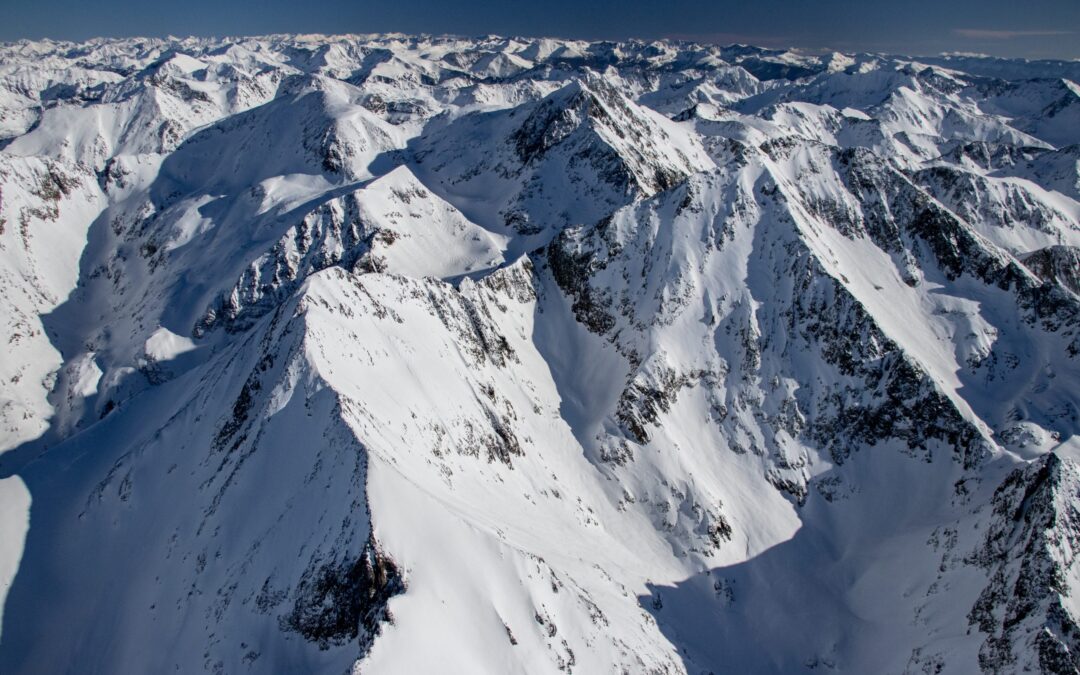
The Pyrenees Mountains are a significant mountain range in southwestern Europe, forming a natural border between France and Spain. Here are some key aspects of the Pyrenees:
Geography
- Location: Stretching approximately 491 kilometers (305 miles) from the Bay of Biscay (Atlantic Ocean) to the Mediterranean Sea.
- Countries: France, Spain, and the principality of Andorra.
- Highest Peak: Aneto, at 3,404 meters (11,168 feet).
Natural Beauty and Outdoor Activities
- Scenery: Renowned for their breathtaking landscapes, including rugged peaks, deep valleys, and pristine lakes.
- Activities: Popular for hiking, skiing, mountaineering, and wildlife watching. The Pyrenees offer numerous well-marked trails, such as the GR 10 and GR 11, which traverse the range from coast to coast.
Winter Sports
- Ski Resorts: The Pyrenees have many ski resorts on both the French and Spanish sides. Notable resorts include Baqueira-Beret in Spain and Saint-Lary-Soulan in France.
- Activities: Besides skiing and snowboarding, the region offers snowshoeing, ice climbing, and cross-country skiing.
Cultural Significance
- Languages: The region is linguistically diverse, with languages including French, Spanish, Catalan, Basque, and Occitan.
- Cultural Sites: Rich in history, the Pyrenees feature numerous medieval castles, Romanesque churches, and quaint villages.
National Parks and Protected Areas
- France: Pyrénées National Park, known for its dramatic landscapes and diverse flora and fauna.
- Spain: Ordesa y Monte Perdido National Park, a UNESCO World Heritage site famous for its canyons and wildlife.
Practical Information
- Accessibility: Well-connected by road and rail. Airports in Toulouse, Pau, and Barcelona provide easy access.
- Accommodation: Range from luxury hotels and cozy mountain lodges to budget-friendly hostels and campgrounds.
The Pyrenees Mountains offer a perfect blend of adventure, natural beauty, and cultural richness, making them an ideal destination for mountain holidays.