
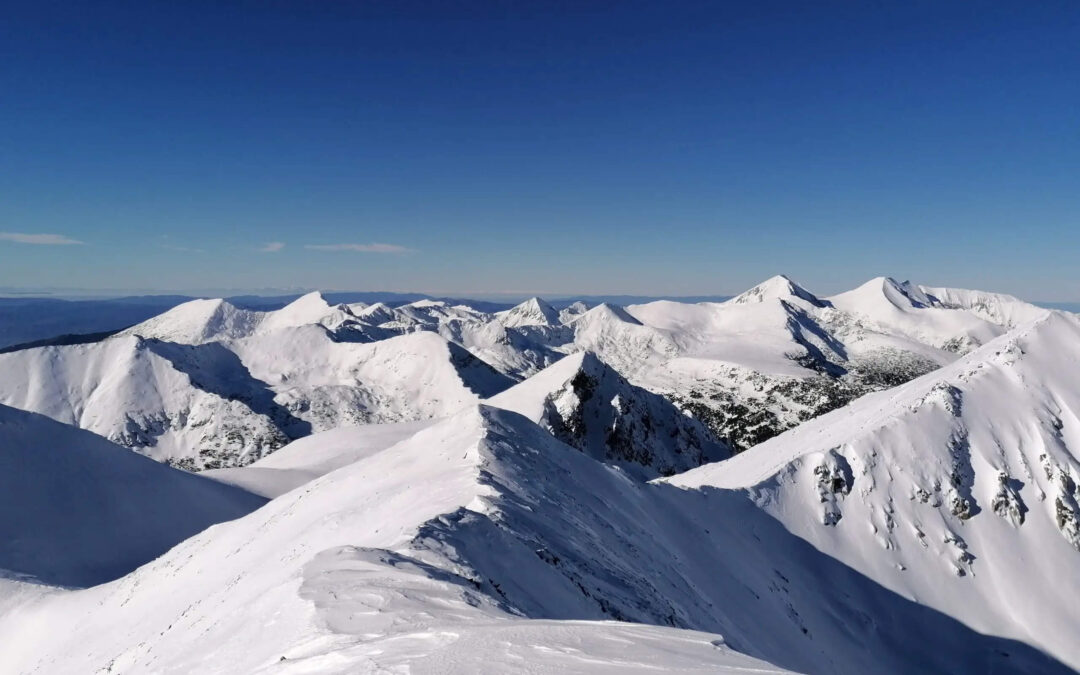
The Balkan Mountains, also known as the Stara Planina (meaning “Old Mountain” in Bulgarian), are a major mountain range in the eastern part of the Balkan Peninsula in southeastern Europe. The Balkans region offers several excellent ski resorts that cater to a range of skiing and snowboarding preferences. Here are the top 3 ski resorts in the Balkans:
1. Bansko, Bulgaria
- Location: Pirin Mountains, southwestern Bulgaria
- Features:
- Long ski season from December to April
- Over 75 kilometers of ski runs, including runs for all skill levels
- Modern lift infrastructure with gondolas and chairlifts
- World-class snowmaking facilities
- Vibrant après-ski scene with numerous bars, restaurants, and cultural activities
- Notable Events: Hosts annual FIS World Cup events
2. Kopaonik, Serbia
- Location: Kopaonik Mountains, central Serbia
- Features:
- Over 55 kilometers of ski runs suitable for all levels
- 24 ski lifts, including modern chairlifts and gondolas
- Extensive snowmaking capabilities
- Diverse winter sports activities, including snowboarding and night skiing
- Family-friendly with ski schools and childcare services
- Numerous hotels, spas, and wellness centers
3. Borovets, Bulgaria
- Location: Rila Mountains, western Bulgaria
- Features:
- Bulgaria’s oldest ski resort, dating back to 1896
- More than 58 kilometers of ski runs, catering to all levels
- Modern lift system with gondolas, chairlifts, and drag lifts
- Excellent facilities for night skiing
- Lively après-ski scene with a variety of bars, clubs, and restaurants
- Opportunities for cross-country skiing, ski touring, and biathlon
Balkans Geographical Overview
- Location: The Balkan Mountains extend across Bulgaria and into eastern Serbia.
- Orientation: The range runs in an east-west direction, spanning approximately 560 kilometers (about 350 miles) from the Vrashka Chuka Peak on the Bulgarian-Serbian border to Cape Emine on the Black Sea coast.
Key Features
- Highest Peak: Botev Peak (Botev Vrah) is the highest peak in the Balkan Mountains, with an elevation of 2,376 meters (7,795 feet).
- Major Subranges: The Balkan Mountains can be divided into three main sections:
- Western Balkan Mountains: Stretch from the Vrashka Chuka Peak to the Zlatitsa Pass.
- Central Balkan Mountains: Extend from the Zlatitsa Pass to the Vratnik Pass and include Botev Peak.
- Eastern Balkan Mountains: Run from the Vratnik Pass to Cape Emine on the Black Sea coast.
Geology
- Formation: The Balkan Mountains were formed during the Alpine orogeny, primarily during the Mesozoic and Cenozoic eras.
- Rock Composition: The range is composed of a variety of rock types, including sedimentary rocks (limestone and sandstone), metamorphic rocks (schist and gneiss), and igneous rocks (granite).
Climate
- Varied Climate: The climate varies along the range, with a continental climate in the western and central parts and a more moderate, maritime climate in the eastern parts. Winters are cold with significant snowfall, and summers are generally warm.
Ecology
- Biodiversity: The Balkan Mountains are home to rich biodiversity, including numerous endemic species of flora and fauna. The range features diverse ecosystems, from deciduous and coniferous forests to alpine meadows.
- Protected Areas: There are several protected areas and national parks, such as the Central Balkan National Park, which aims to preserve the natural habitats and wildlife of the region.
Human Activities
- Hiking and Mountaineering: The Balkan Mountains offer extensive opportunities for hiking and mountaineering. Popular trails include the Kom-Emine trail, which is part of the European long-distance path E3 and spans the entire length of the mountain range.
- Winter Sports: There are several winter sports areas, particularly in the western and central parts of the range, offering skiing and snowboarding.
- Cultural Heritage: The mountains are rich in cultural history, with numerous historical and cultural landmarks, including monasteries, fortresses, and traditional villages.
Notable Landmarks
- Shipka Pass: A historic mountain pass known for the Battles of Shipka Pass during the Russo-Turkish War (1877-1878). The Shipka Memorial commemorates those who fought in these battles.
- Troyan Monastery: One of Bulgaria’s most important monasteries, located in the northern foothills of the central part of the range.
- Beklemeto Pass: Known for its scenic beauty and the Arch of Freedom monument, which commemorates the liberation struggles of the Bulgarian people.
Access and Tourism
- Accessibility: The Balkan Mountains are accessible by road and rail, with several passes providing routes through the range. The range is well-connected to major cities such as Sofia, Plovdiv, and Varna.
- Tourism: The region attracts tourists for its natural beauty, outdoor activities, and cultural heritage. It is a popular destination for eco-tourism and adventure tourism.
The Balkan Mountains are a defining geographical feature of southeastern Europe, offering a rich combination of natural beauty, biodiversity, and cultural heritage.